How I Got Here
Before I tell you what I do, I want to share the moment I almost got it wrong.
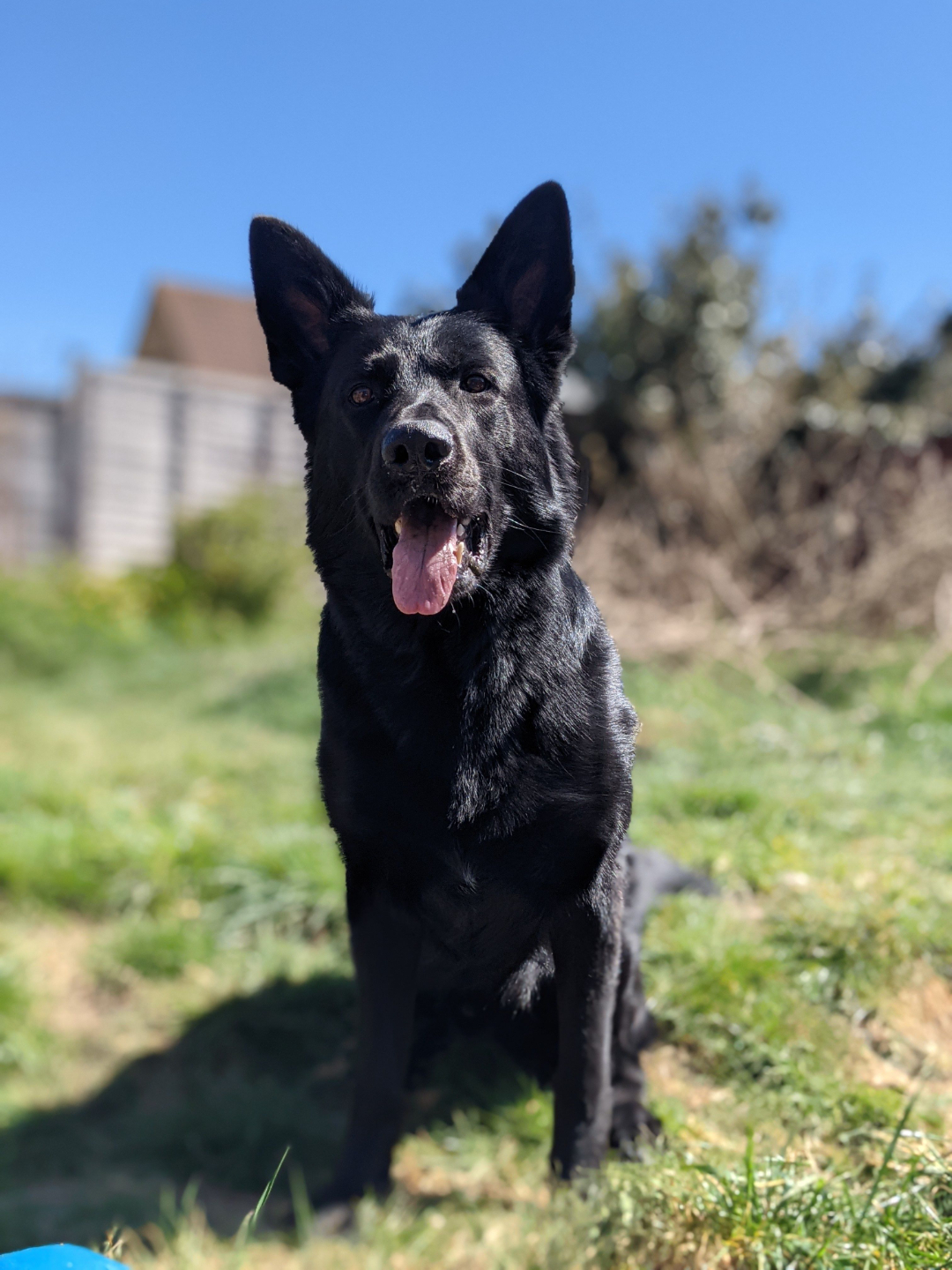
Lycan taught me what it actually looks like to live with a dog the world would call “too much.” He’s a working line German Shepherd. High drive. High need. The kind of dog people quietly judge you for at the park. The kind of dog who will test every assumption you have about what good behavior support looks like, and then test it again the next morning.
Lycan didn’t need fixing. He needed to be understood on his own terms. He needed a guardian who could meet his intensity without trying to suppress it. Living with him is what convinced me that the conventional behavior toolbox, the one built on compliance and symptom management, was failing the dogs who needed it most.
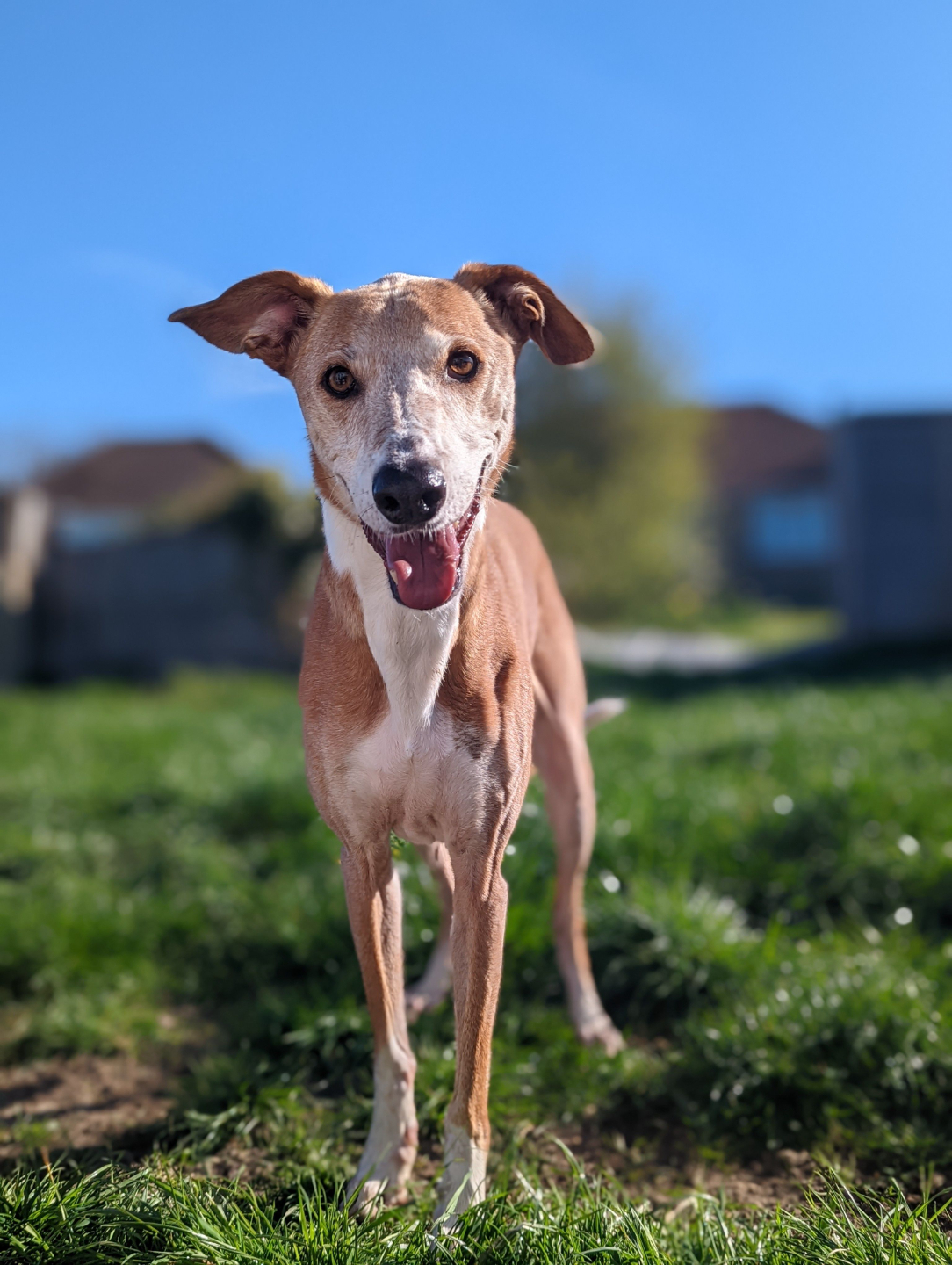
Nero, is the opposite of Lycan in many ways – patient and calmer, he taught me about the dogs who don’t “act out.” Those dogs who still need, but struggle to speak up. The dogs who tremble instead of bark. They flee instead of fight. The ones who need an advocate but are often misunderstood as “good dogs” because they don’t cause a fuss.
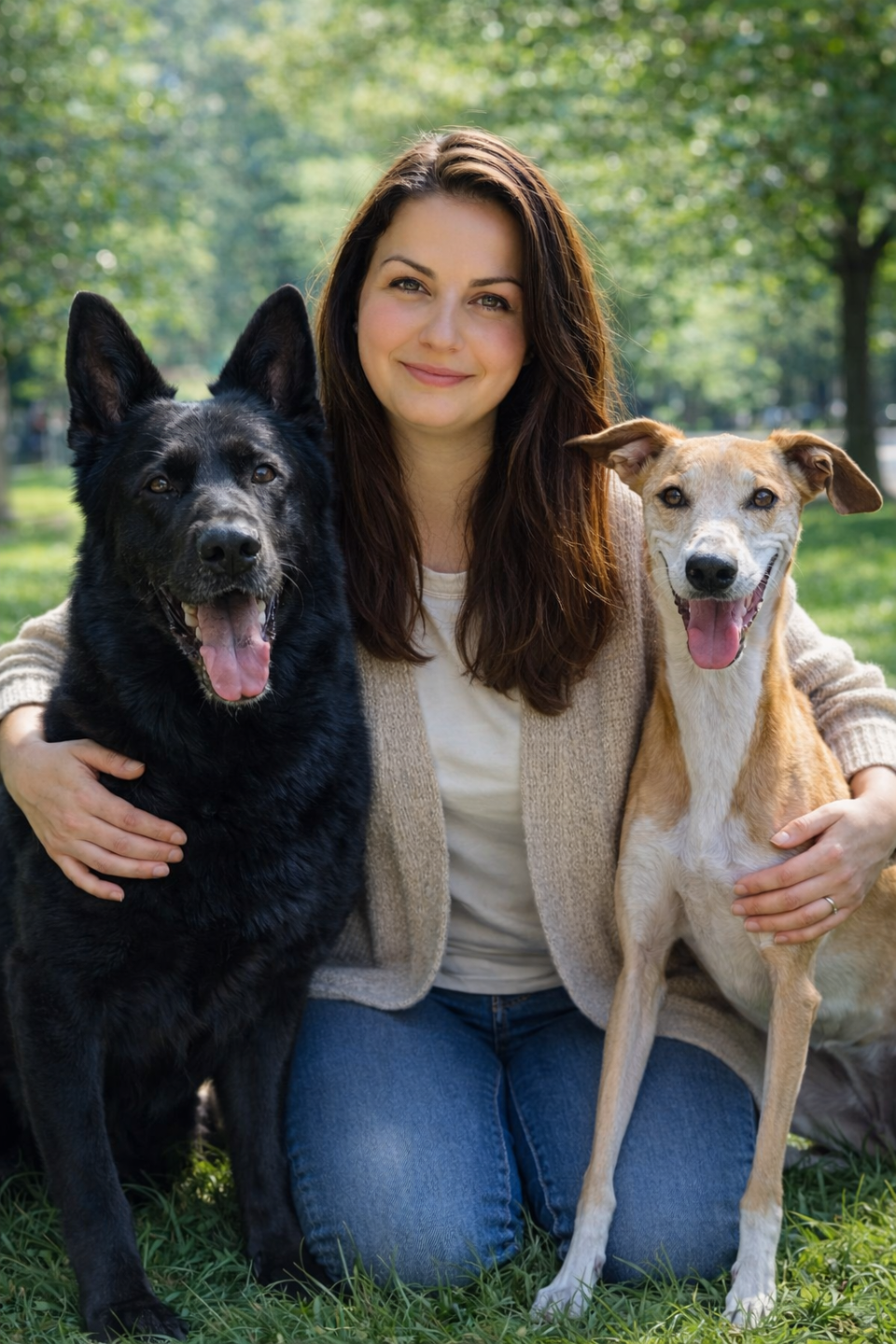
Those two dogs are the reason I built everything you see here.
I started my career in veterinary medicine, where I spent over a decade as a certified veterinary technician watching dogs get labelled “aggressive” or “untrainable” when what they actually were was afraid. I went back to school to study the neuroscience of fear and emotional processing, earning my MSc in Applied Animal Behavior. I worked hundreds of complex cases: severe anxiety, layered reactivity, inter-dog conflict, households in crisis, relationships on the brink.
And I kept hitting the same wall. Dogs would improve with traditional protocols, then regress. The tools I’d been given were managing symptoms. They weren’t reaching the emotional root.
So I built a new framework. Canine Cognitive Restructuring Therapy (CCRT)™ draws on principles from human cognitive behavioral therapy and trauma recovery science to address what’s actually driving reactive behavior: not disobedience, but a nervous system stuck in survival mode. CCRT doesn’t train dogs to comply. It helps them restructure their emotional response from the inside out, treating the guardian-dog relationship as the therapeutic vehicle for that change.
But every case still starts the same way: with curiosity, not assumptions. With the question every dog I have ever worked with taught me: What need is being missed?